

Product
Blister Rigid Sheet
Rigid PVC sheet for pharmaceutical blister packaging, 0.1–0.5 mm thick, 300–1000 mm wide and 50–500 kg per roll. Made from 100% virgin compound to a non-toxic formula that conforms to Chinese CNS, Japan PL and US FDA hygiene standards, and thermoformed into the pockets of aluminium-PVC blister packs for tablets and capsules.
Specification
Values below are for the standard grade. Confirm thickness, width and forming against your own process before ordering; a datasheet is issued for the exact gauge quoted.
| Material | 100% virgin PVC compound |
| Type | Rigid, unplasticised |
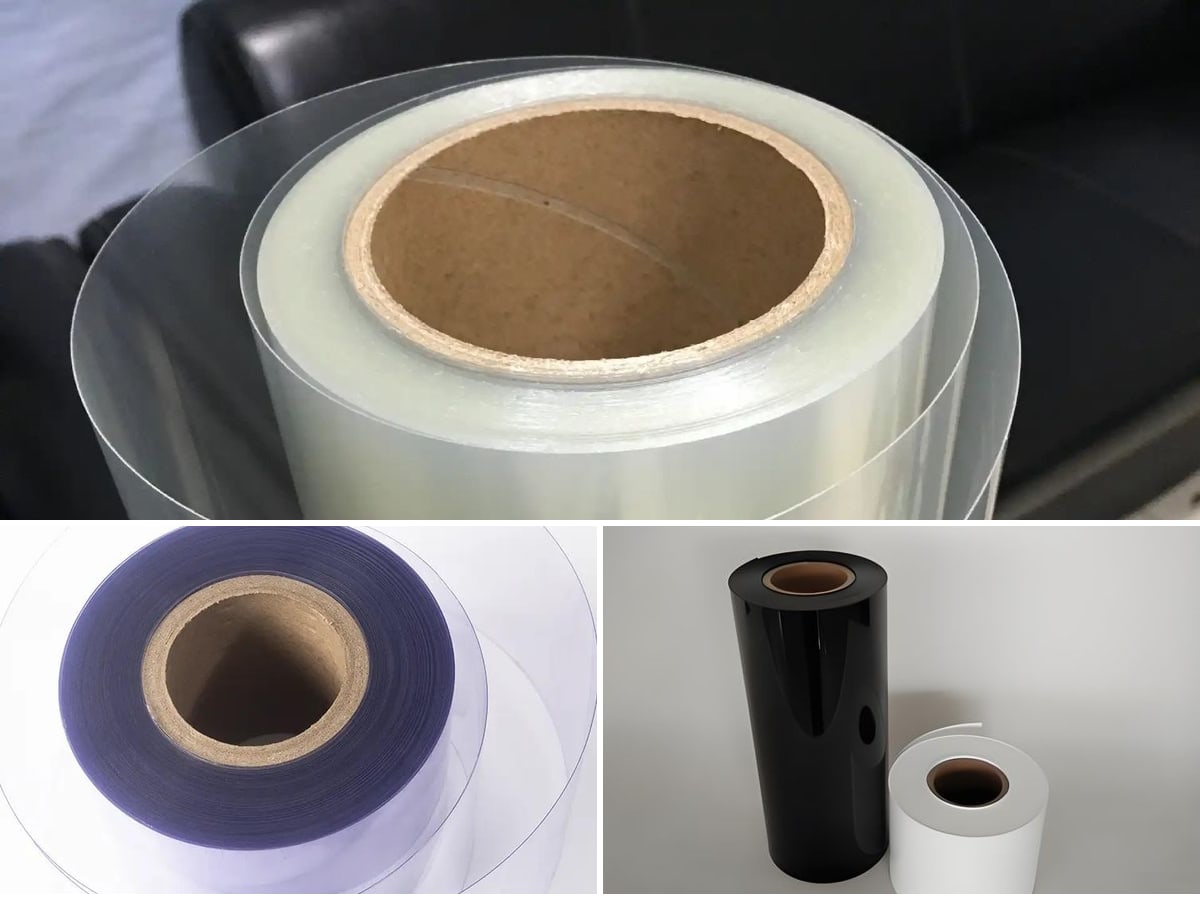
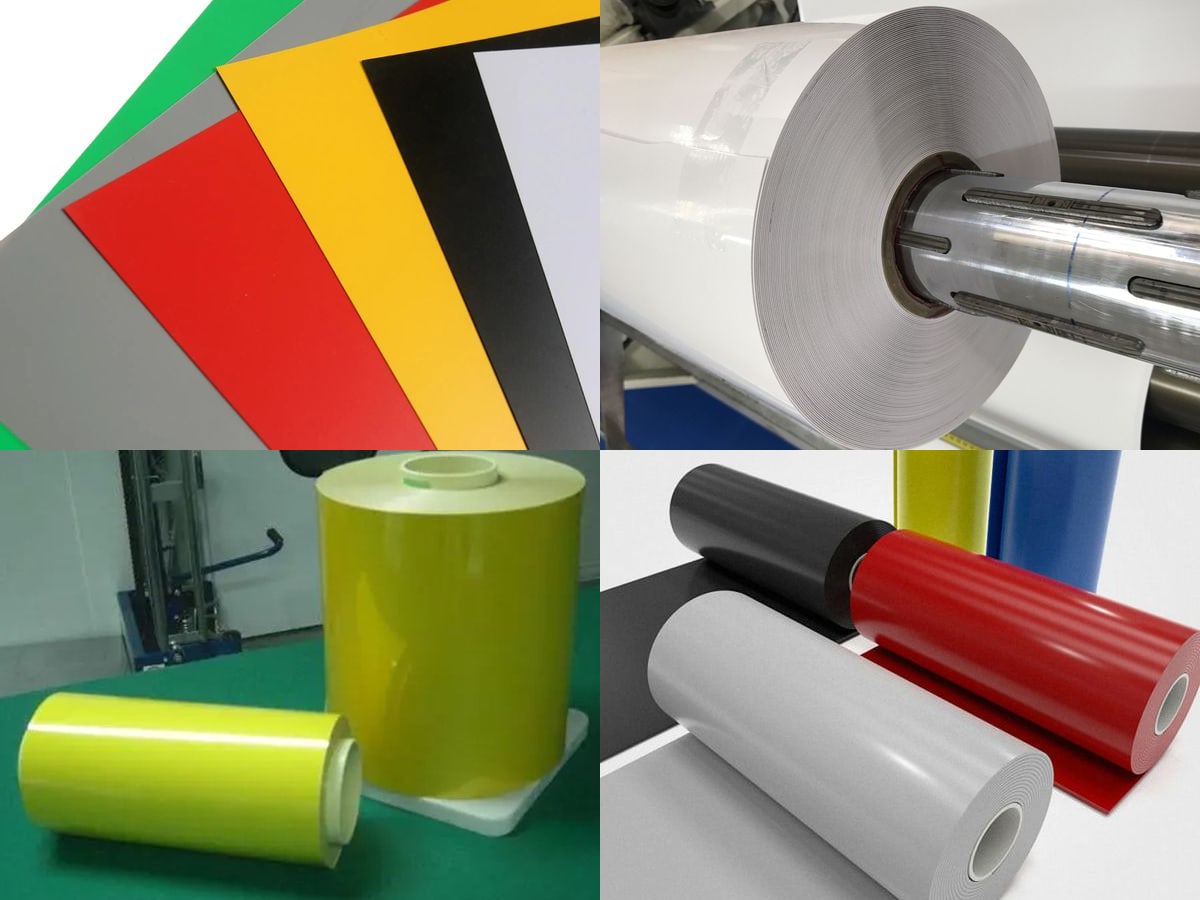
| Colour | Clear or coloured |
| Thickness | 0.1 – 0.5 mm100 – 500 micron |
| Width per roll | 300 – 1000 mm |
| Weight per roll | 50 – 500 kg |
| Surface | High gloss on both faces |
| Hygiene | Conforms to Chinese CNS, Japan PL and US FDA standards |
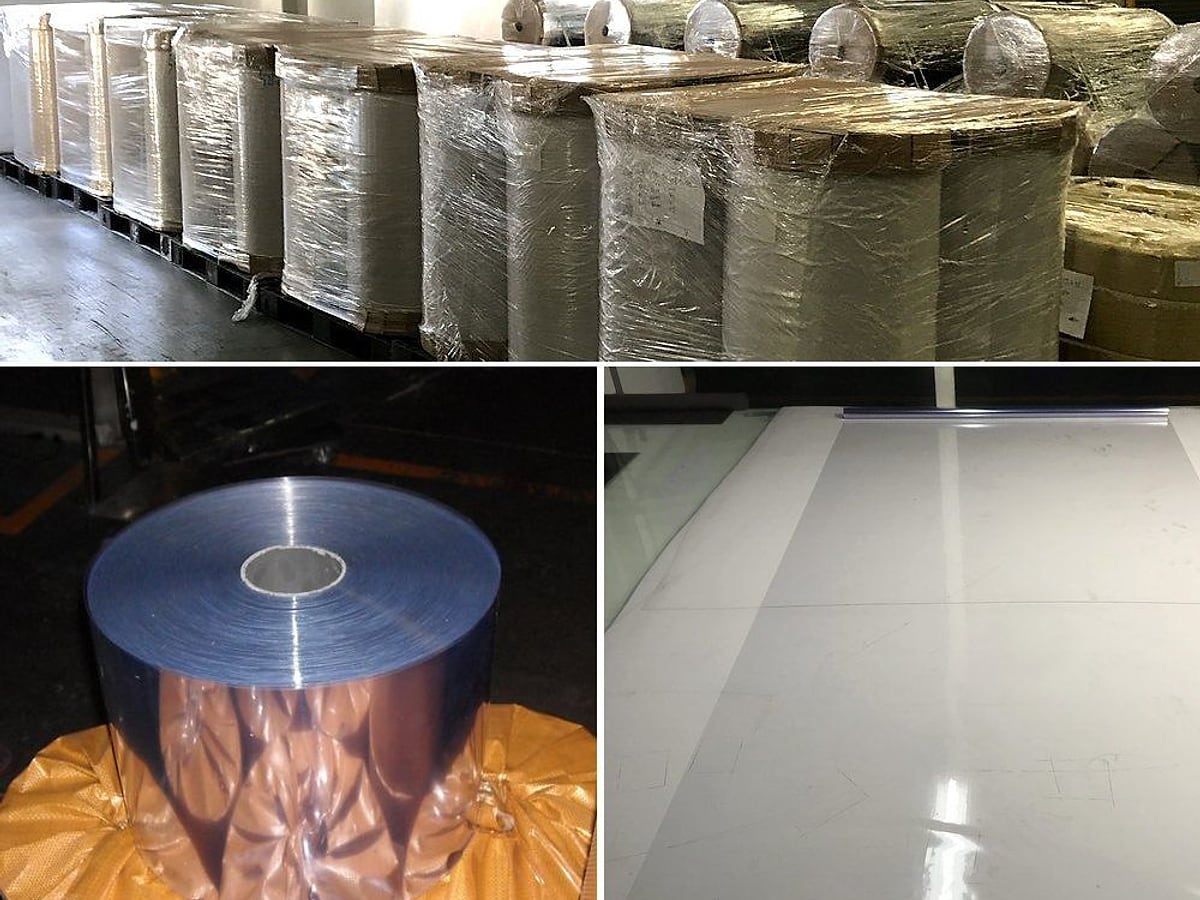
| Packaging | Rolls wrapped in plastic film and kraft paper or cut sheets |
| Production capacity | 1,000 tons per month |
| Delivery | 2 weeks and up after deposit |
| Payment | TT, L/C, Western Union, MoneyGram |
| MOQ / trial order | 1,000 kg / 300 kg |
What a blister line asks of the sheet
A blister pack is a drawn pocket sealed with aluminium foil. The pocket is formed in a fraction of a second, filled, then sealed, so the sheet has to draw evenly at forming temperature and hold an even wall thickness at the bottom of the pocket. Thin corners on a deep pocket are where a pack fails the leak test — not the flat land between pockets.
Two things get checked on arrival: whether the sheet is flat enough to register with the printing and forming stations, and whether it is free of gels. A gel sitting in a pocket wall is a visible defect on a pack a patient holds up to the light, which is more expensive than the sheet it was made from.
Why the gauge sits between 0.1 and 0.5 mm
Below about 0.1 mm the pocket wall thins too far on a normal draw. Above 0.5 mm the sheet still forms, but the pack gets heavier, the cycle slows and the foil has more to seal against. Most tablet and capsule work runs in the middle of that band; small pockets and shallow draws go lighter.
Why the roll stops at 1000 mm
Blister lines run narrow webs — the forming station sets the width, not the extruder. We slit from the master roll, so 300–1000 mm covers the usual formats. Wider sheet is what the super clear grade is for, when the pack is a formed tray rather than a blister.
Hygiene, documentation and what to send
The compound is made to a non-toxic formula that conforms to Chinese CNS, Japan PL and US FDA hygiene standards. The declaration is issued for the exact grade and gauge you order and travels with the shipment. Where the pack is tested against a European or American pharmacopoeia, say so at the enquiry stage — the documents are raised against the standard your customer tests against, not against the sheet in general.
The useful enquiry information is short: gauge, web width, roll length, colour, whether the sheet is printed before forming, and the pocket depth the tool runs. Those five decide the compound, the slitting and the packing.
- Gauge: 0.1–0.5 mm
- Web width: 300–1000 mm
- Roll weight: 50–500 kg, or cut sheets on pallets
- Printing: say if the sheet is printed before forming — the surface matters for ink adhesion
- Quantity: 1,000 kg per specification, 300 kg for a trial run
Colour, and the two variants that come up
Clear is the default, because the pack has to show the tablet. Coloured sheet — white, amber, or matched to a customer sample — is the same compound with pigment, and is quoted as its own grade because the pigment moves the forming window slightly.
Two variants are worth keeping on file: a UV-stabilised compound where the pack sits in daylight, and a high-impact compound where a thin pocket still has to survive transport. Chemical resistance is inherent to rigid PVC and is part of why the material has held the blister market; where a specific solvent or excipient is involved, tell us and we confirm rather than guess.
Where it goes
Four places this grade is bought for, and what changes in each.
Tablet and capsule blister packs
The main use: 0.1–0.5 mm clear sheet thermoformed into pockets and sealed with aluminium foil.
PTP aluminium-PVC packs
Press-through packs for pharmacies and hospitals, where the pocket has to release the tablet cleanly and stay intact in the strip.
Hospital unit-dose packing
Unit-dose and strip packing on narrow webs at speed, where gauge consistency decides how the line runs.
Contract packing and CDMO lines
Converters running several products on one line, who need the same gauge, gloss and forming behaviour from lot to lot.
Blister rigid sheet — technical questions
Is this PVC sheet approved for pharmaceutical packaging?
This PVC sheet is made to a non-toxic formula that conforms to Chinese CNS, Japan PL and US FDA hygiene standards.
How is it different from your super clear rigid sheet?
Same base polymer and the same clarity. Super clear runs 0.035–5 mm and up to 2500 mm wide, and is sold on optics and gauge for general packaging, printing and lamination. This grade runs 0.1–0.5 mm and 300–1000 mm, is packed for a forming line and is documented for pharmaceutical use.
What thickness do PVC sheet for pharmaceutical packaging normally use?
Most tablet and capsule pockets run 0.25–0.35 mm. Small pockets and shallow draws go down to 0.1–0.2 mm; deep draws and heavy tablets move towards 0.5 mm. Send the pocket depth and we will confirm the gauge.
Do you supply cut sheets as well as rolls?
Yes. Rolls are the normal packing — 50–500 kg on a paper core, wrapped in plastic film and kraft paper. Cut sheets on pallets are available for lines that form from flat blanks.
What is the minimum order?
1,000 kg per specification, with a 300 kg trial order for a first run. Colour and gauge changes are quoted per run.
Elsewhere in the range
Most buyers order the same grade repeatedly; if you need more than one, the grades can share a container.
Ask for the Blister Rigid Sheet datasheet
Tell us the thickness, width, color and monthly quantity you need. We reply with the datasheet, unit price, freight and lead time — usually within 24 hours.
- Datasheet and test report for the exact grade
- Free A4 sample of standard grades
- Colour and grain matched to your physical sample