
Product
Temperature Proof Covering Materials
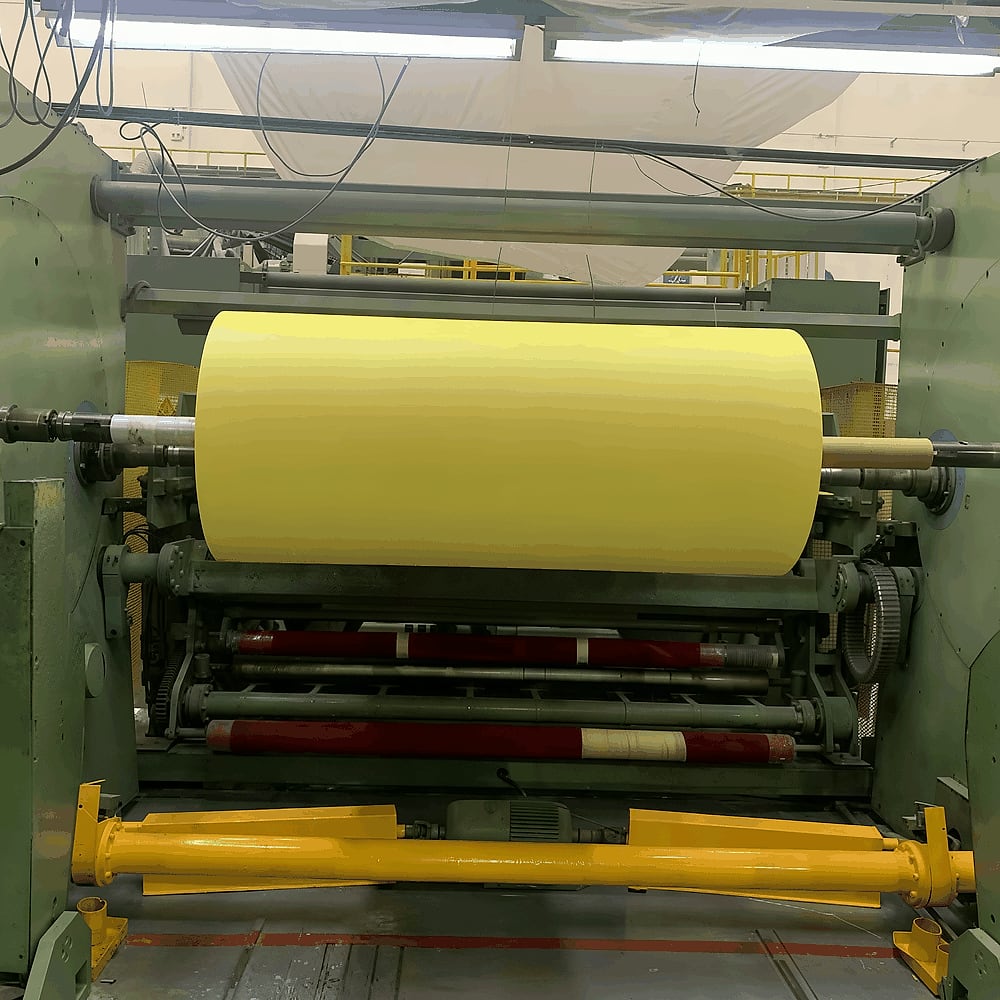
PVC rigid sheet for surfaces that run warm but not hot: 0.05–2 mm thick, 300–2000 mm wide and 50–500 kg per roll. The standard grade holds −20 to 60 °C continuously with peaks to 80 °C; the heat-resistant grade holds 80 °C continuously and 120 °C for 30 minutes. The clear grade lets the surface underneath show through.
Specification
Values below are for the standard grade. Confirm thickness, width and forming against your own process before ordering; a datasheet is issued for the exact gauge quoted.
| Material | High-grade modified PVC with dedicated heat-stabilising additives |
| Type | Rigid, unplasticised |
| Heat resistance | Standard −20 to 60 °C, short-term peak 80 °C; heat-resistant 80 °C, 120 °C for 30 minutes |
| Thickness | 0.05 – 2 mm50 – 2,000 micron |
| Width per roll | 300 – 2000 mm |
| Weight per roll | 50 – 500 kg |
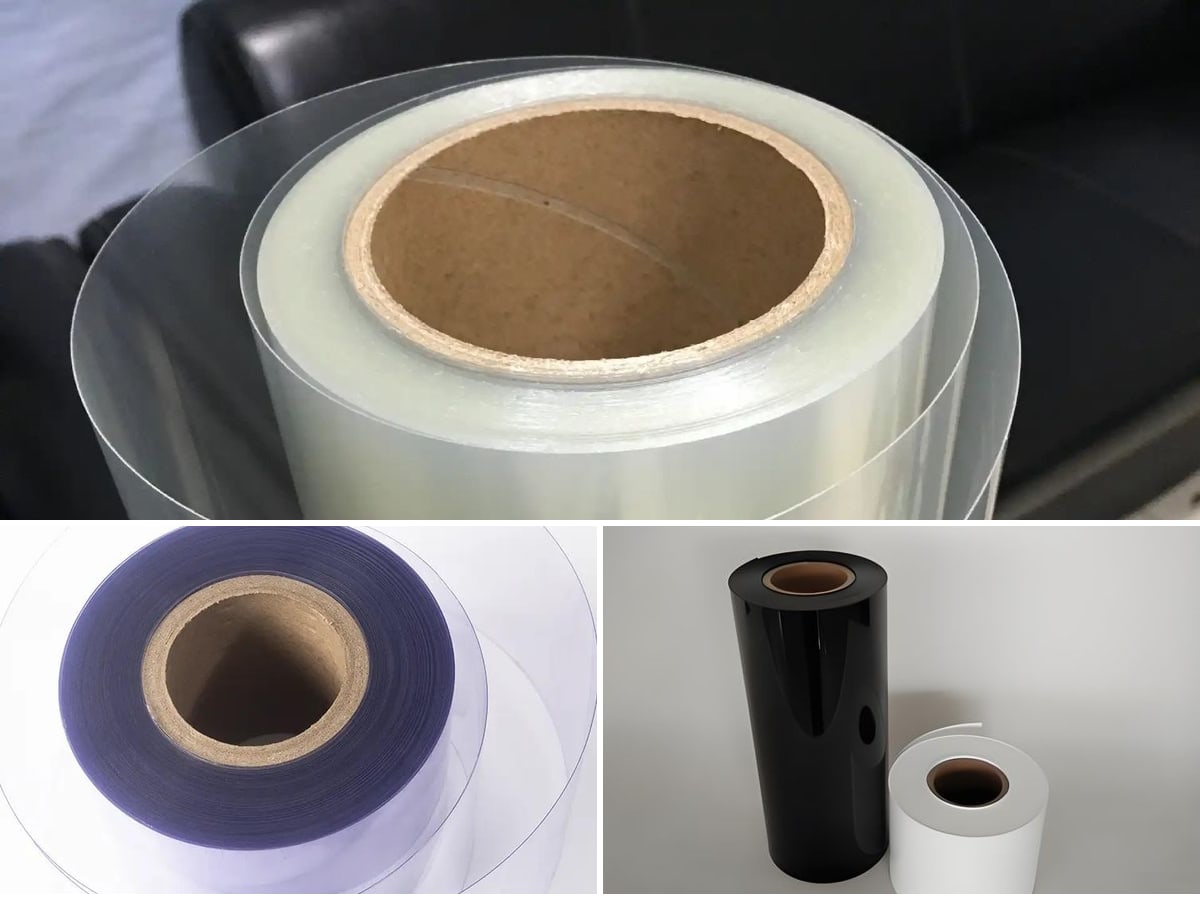
| Surface | Glossy clear, matte, embossed or coloured |
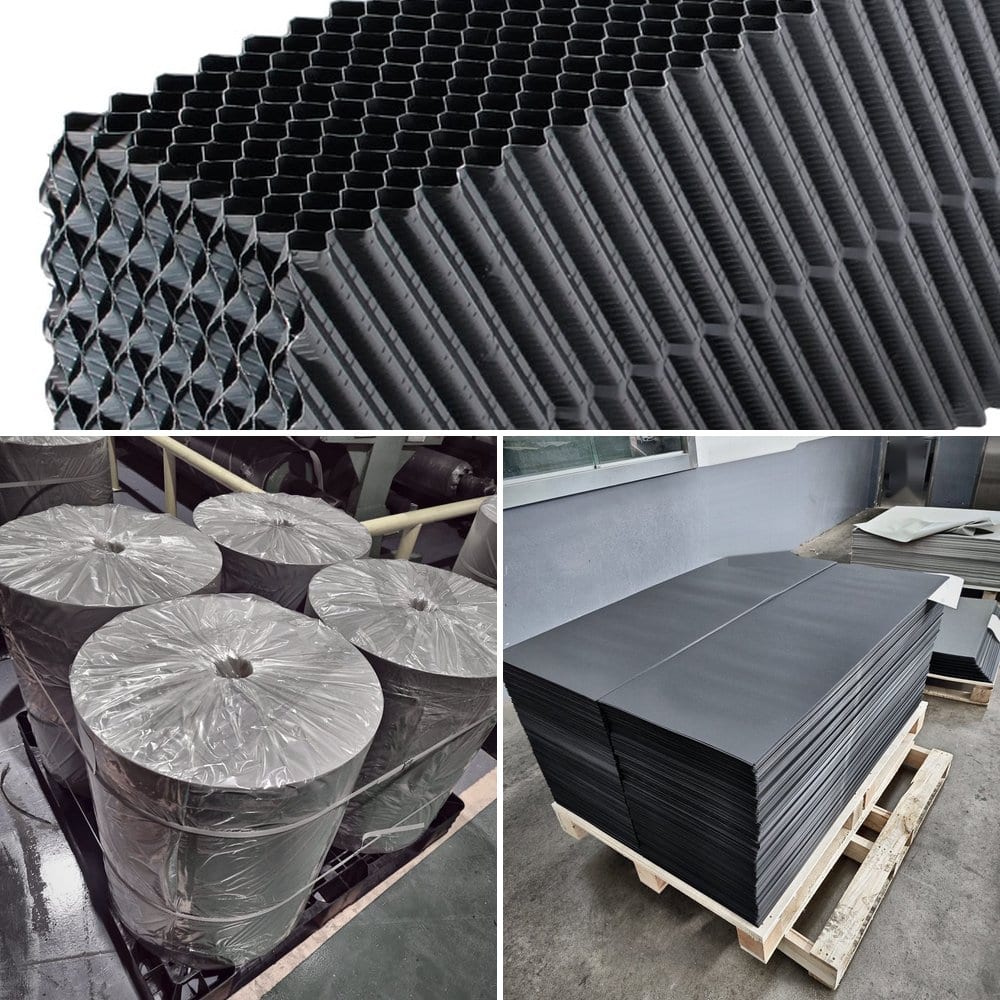
| Colour | Clear, white, black and matched colours |
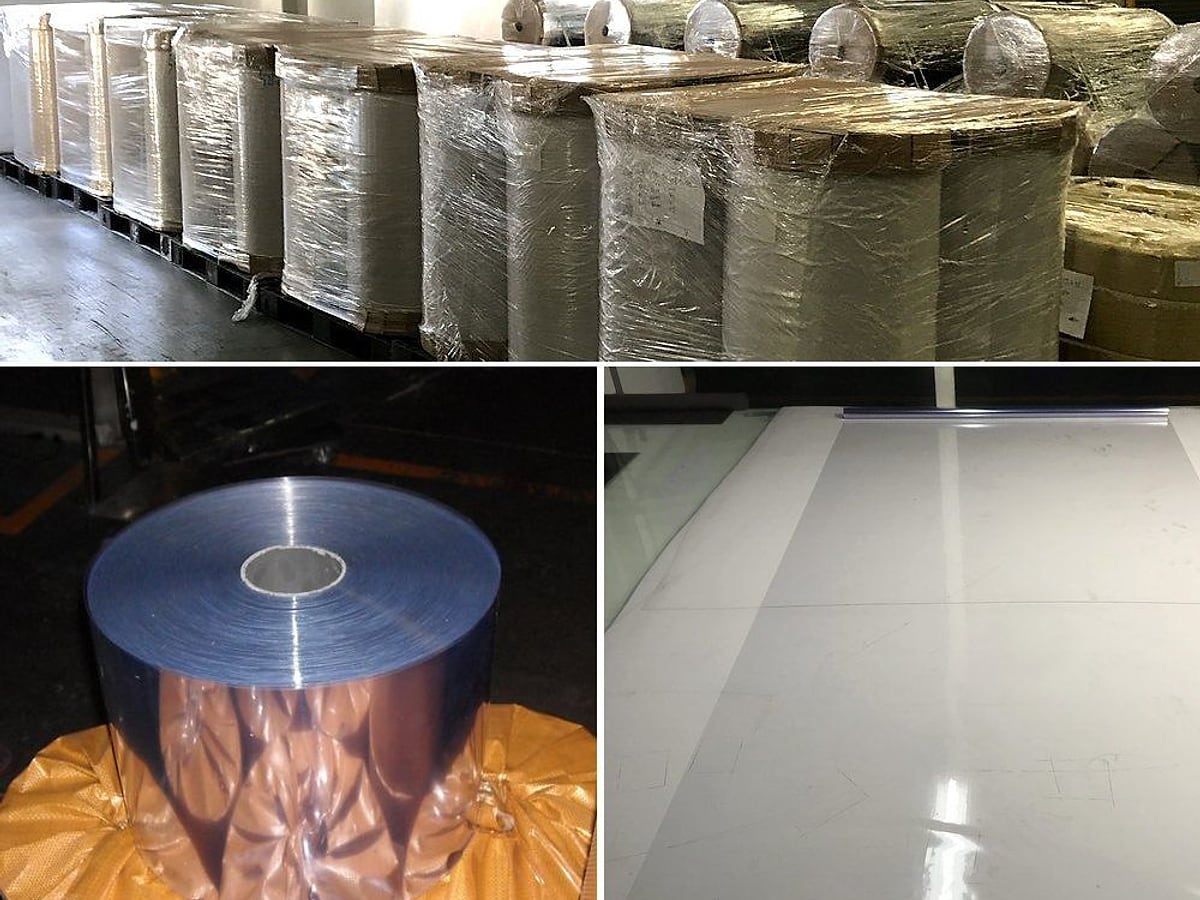
| Packaging | Rolls wrapped in plastic film and kraft paper or cut sheets |
| Production capacity | 1,000 tons per month |
| Delivery | 2 weeks and up after deposit |
| Payment | TT, L/C, Western Union, MoneyGram |
| MOQ | 1,000 kg / 300 kg |
Two grades, two ceilings
A temperature figure is only useful if it says which grade and for how long. This material is supplied in two compounds, and the ceiling moves with the compound, not with the thickness.
Both grades start from the same base: a rigid, unplasticised PVC compound, made on the same lines as the rest of this range. What separates them is the heat-stabiliser package, and that is what sets the ceiling in each block below. No plasticiser goes in, so the sheet keeps its stiffness and holds the shape it is formed into — it is bent, formed or cut to the part rather than draped over it.
Standard grade — −20 to 60 °C
The general-purpose compound. Continuous service from −20 °C to 60 °C, with a short-term peak that must not exceed 80 °C. The peak is for a moment — a start-up, a stall, a part passing under a lamp — not a duty point, and it is not a licence to run the covering hot for an afternoon.
Heat-resistant grade — 80 °C continuous, 120 °C for 30 minutes
The same base PVC with a heavier heat-stabiliser package: 80 °C indefinitely, and 120 °C for half an hour without embrittling or discolouring. Above that, or for repeated 120 °C cycles, a PVC covering is the wrong material for the job and we will say so rather than sell one.
0.05 mm to 2 mm, and where each gauge lands
0.05 mm is the thin end: it follows a bend once it is taped or glued down and adds almost no bulk, which is what a cable bundle or a thin panel needs.
0.1 to 0.15 mm is the working band: pipe and duct covering, dust covers over equipment, a liner behind a panel. Thick enough to bridge a seam and take a wipe, thin enough to follow a curved duct without creasing.
0.2 to 0.3 mm is chosen where the covering is handled, abraded, or has to hold its own shape as a liner or a curtain.
0.4 to 2 mm is where the sheet becomes a part in its own right: a formed guard, a machine panel facing, a partition panel or a tray lid, vacuum formed or cut to shape rather than wrapped around something else.
The clear grade lets the pipe or the part underneath show through, so a colour code or a defect is still visible under the cover. Matte, coloured and embossed faces are made to order — a matte face kills reflection where a lamp is close, colour works as a code on pipework, and an embossed face hides scuffs and does not show dust the way a gloss face does.
What a quotation needs
Send the surface the covering goes onto, the temperature it actually sees and for how long, the width your line runs, the gauge, and whether the face has to be clear, matte or coloured. Where the covering is laminated or adhesive-backed, tell us the substrate and the adhesive, because the surface treatment is chosen against them.
Rolls are 50–500 kg on a paper core, wrapped in plastic film and kraft paper; cut sheets on pallets are available for flat work. A 300 kg trial run is normal before a first bulk order.
Where it goes
Four places this grade is bought for, and what changes in each.
Pipe and duct covering
Rolled around chilled-water, hot-water and HVAC pipework and ducts that sit inside the 60 °C band, keeping the insulation dry and the surface washable.
Equipment and machine covers
Dust and splash covers over motors, pumps and control cabinets that run warm, in a gauge thin enough to follow the housing and stiff enough to be lifted off for service.
Panel and surface protection
A laminated or removable face on panels, profiles and parts in transit, where the surface has to stay clean and the covering has to come off without leaving adhesive or a mark.
Electrical and battery assembly
Thin 0.05–0.1 mm grades used as an insulating separator and a heat barrier inside packs and cabinets, where the part has to bend through the assembly step without cracking.
Temperature proof covering — technical questions
What temperature can this PVC rigid sheet take?
Two grades. The standard grade runs −20 to 60 °C continuously with short-term peaks up to 80 °C. The heat-resistant grade holds 80 °C continuously and takes 120 °C for 30 minutes. Both figures belong to the compound we supply, not to PVC in general — another supplier’s covering will have its own numbers.
How do I know which grade of rigid PVC sheet I choose?
Check the continuous temperature, not the peak. Under 60 °C, the standard grade is the cheaper answer. Between 60 and 80 °C for hours at a time, take the heat-resistant grade. Above 80 °C continuous, tell us the duty and we will say whether a PVC covering is the right solution at all.
Is this PVC material rigid or flexible?
Rigid.
Which thickness should I choose?
0.05 mm for wrapping cable bundles and thin PVC rigid sheet panels, 0.1–0.15 mm for pipe and duct covering and equipment covers, 0.2–0.3 mm where the covering is handled, abraded or has to hold a shape, and 0.4–2 mm where the part is a formed guard, a panel facing or a partition that carries its own shape. Special thicknesses are made to order — send the job and we will confirm the gauge.
What is the minimum order?
1,000 kg per specification, with a 300 kg trial order for a first run. Standard packing is 50–500 kg per roll; other roll weights are available if your line takes them.
Elsewhere in the range
Most buyers order the same grade repeatedly; if you need more than one, the grades can share a container.

Ask for the Temperature Proof Covering Materials datasheet
Tell us the thickness, width, color and monthly quantity you need. We reply with the datasheet, unit price, freight and lead time — usually within 24 hours.
- Datasheet and test report for the exact grade
- Free A4 sample of standard grades
- Colour and grain matched to your physical sample